
Afghanistan: history on the old Silk Road
Mountains, ancient cities and the high Wakhan Corridor. Afghanistan sits where Central and South Asia meet, with Bamiyan, Herat and the Minaret of Jam among its sights. Here is what to see, when to go and what to check before you plan a trip.
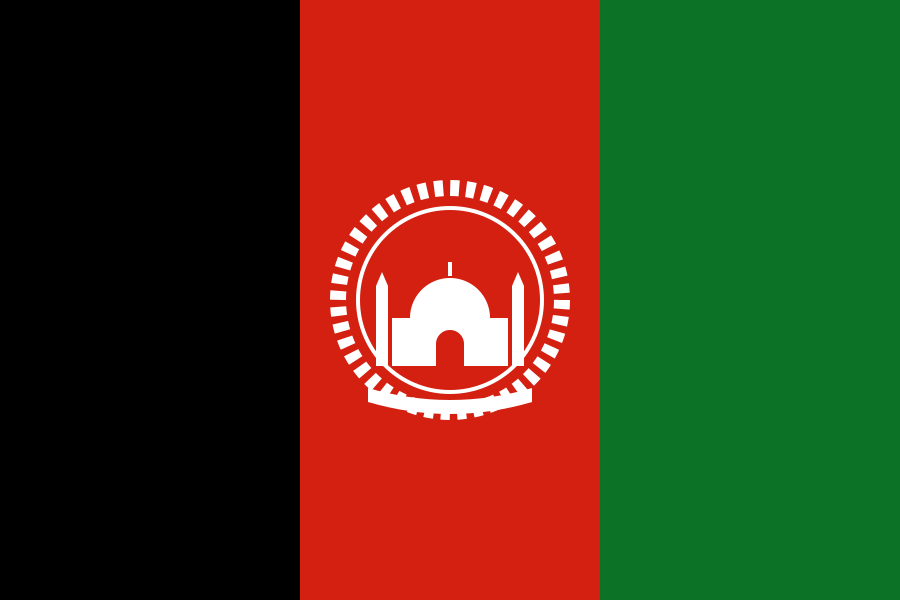
Afghanistan is a landlocked country where Central Asia, South Asia and the Middle East meet. It is about 652,000 square kilometres in size, and most of it is mountains. The Hindu Kush runs across the middle of the country and rises to Noshaq (7,492 m) on the border with Pakistan. Its neighbours are Pakistan, Iran, Turkmenistan, Uzbekistan, Tajikistan and, along the narrow Wakhan Corridor, China.
The capital is Kabul. The main languages are Dari and Pashto, the currency is the afghani, and hospitality to guests is a point of honour in almost every village you will pass through.
Why people travel here
Few places in Asia pack so much history into so little tourist traffic. Afghanistan sat at the crossroads of the old Silk Road, and the traders, pilgrims and armies who passed through left cities, monasteries and minarets behind.
- Bamiyan: a green valley below the Hindu Kush where two giant Buddhas were carved into the cliffs in the 6th century. They were destroyed in 2001, but the empty niches, the painted cave monasteries and the valley itself still draw visitors. Nearby are the turquoise lakes of Band-e-Amir, Afghanistan's first national park.
- Herat: a Timurid-era city with a great Friday Mosque, a restored citadel and some of the best bazaars in the region.
- Mazar-i-Sharif and Balkh: the blue-tiled shrine of Mazar-i-Sharif and the ruins of ancient Balkh, one of the oldest cities in the world.
- Minaret of Jam: a 12th-century brick tower, 65 metres tall, standing alone in a river gorge in the central highlands. It is a UNESCO World Heritage Site.
- Kabul: the gardens of Babur, the old city and the bazaars, with the mountains always in view.
- The Wakhan Corridor: a high, remote valley in the far northeast, home to Wakhi and Kyrgyz herders and views across to the Pamirs and the Karakoram.
A shared history with northern Pakistan
The Kushan kings ruled from Afghanistan across what is now Pakistan, and Gandhara Buddhism spread along the same roads. That is why the stupas and monasteries of Taxila, Swat and Peshawar look so close to those in Bamiyan. The Wakhan also touches the northern edge of Gilgit-Baltistan and Chitral, so many travellers combine both countries in a single journey.
For the long overland story, see our Silk Road Explorers Tour, which follows the old trade route from Kashgar to Islamabad.
When to go
Spring (April to June) and autumn (September to October) are the most comfortable seasons for most of the country. Summers are very hot in the south and west, but the high valleys such as Bamiyan and the Wakhan are at their best then. Winters are cold and snowy in the highlands and many mountain roads close.
Before you plan a trip
Travel to Afghanistan needs more preparation than almost anywhere else, and we think you should know that before you get excited.
- Government advice: many governments advise against travel to all or part of Afghanistan. Read your own government's current advice, and check that your travel insurance will cover the trip.
- Visas and permits: you need an Afghan visa and sometimes extra permits for specific regions. Rules and border crossings change, so we confirm the current position before you commit.
- Conditions on the ground: road and security conditions differ from province to province and from month to month. We only plan routes we can run responsibly, and we may change or cancel a route if conditions change.
- Dress and conduct: dress modestly, ask before photographing people, and follow local customs. Women travellers should talk to us early so we can plan the trip properly.
Plan your Afghanistan trip
We arrange Afghanistan journeys on request, either on their own or as an extension to a trip in Pakistan. Tell us when you can travel and what you want to see, and we will answer honestly about what is possible right now.
Plan my trip or contact us to start the conversation.
Other countries
All destinations →Not sure where to start?
Tell us when you can travel and what you like, and we will suggest a region and a route.